

How Our Voice Acting Training Works
The training follows a structured sequence designed to build skills progressively. Each stage addresses specific aspects of voice work, ensuring that technical foundations are established before moving to advanced application. This method reduces guesswork and creates measurable progress throughout the learning period.
Four Stages to Professional Voice Work
The process is divided into distinct phases, each with clear objectives and outcomes. Students move through assessment, planning, practice, and application in a logical order that builds competence systematically.
Assess Your Current Level
We begin by evaluating your existing vocal abilities through a structured assessment that identifies strengths and areas requiring development.
Develop a Custom Plan
Based on the assessment results, we create a personalized training roadmap tailored to your specific goals and learning pace.
Practice with Guidance
You work through exercises and techniques under direct supervision, receiving immediate feedback to refine your approach.
Apply Skills Professionally
Once foundational skills are established, you move to real-world application through studio sessions and project-based work.
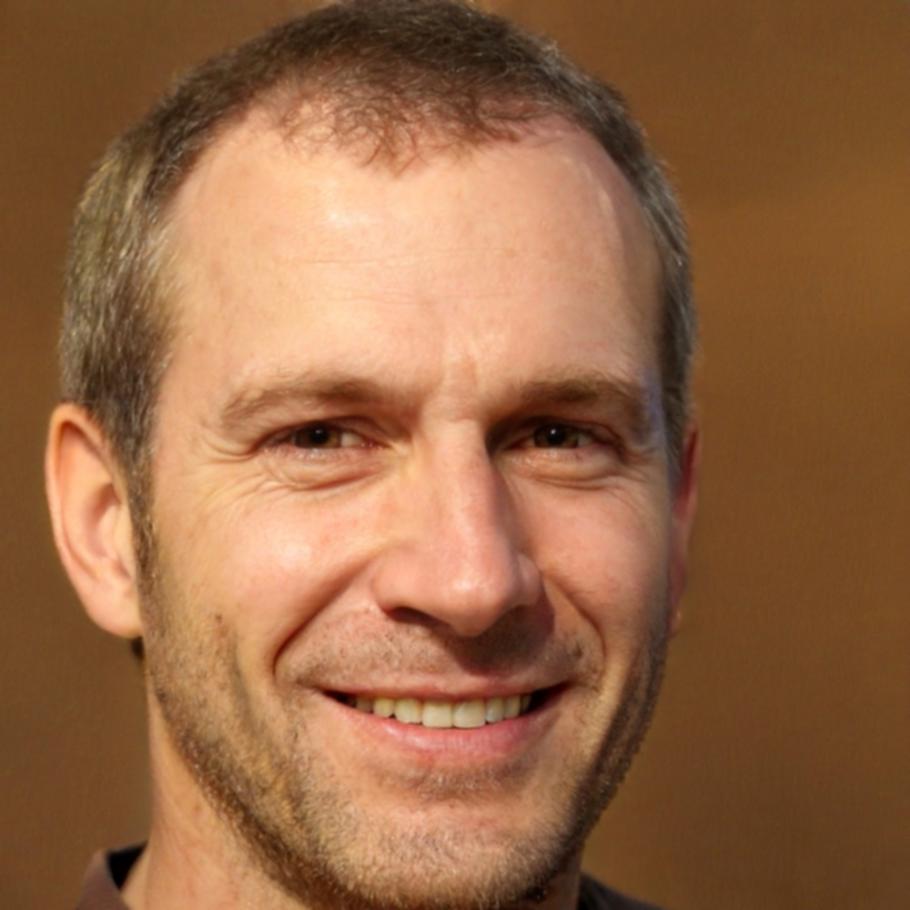
Darijo has worked with commercial studios across Europe for over twelve years, specializing in character voice development and technical vocal control. His approach focuses on identifying individual vocal characteristics and building techniques that enhance natural strengths rather than forcing artificial styles. Students receive structured feedback that addresses specific technical issues without vague generalities.
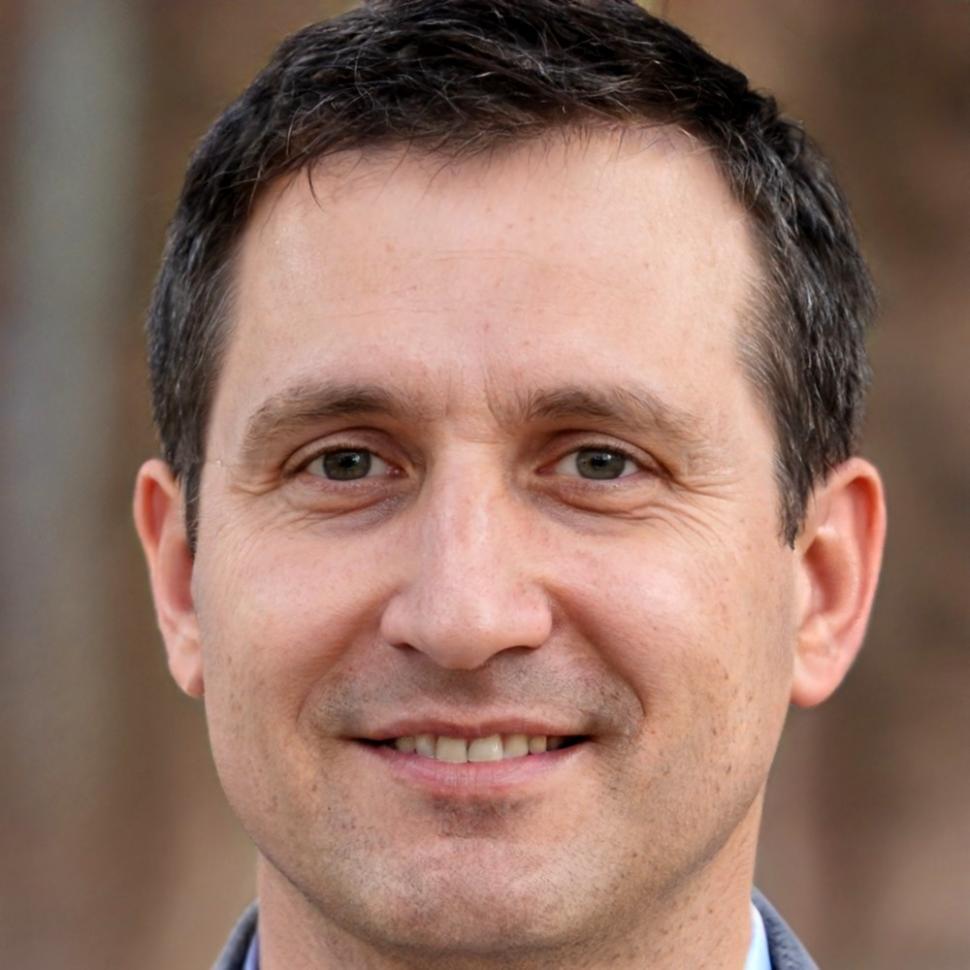
Aleksandar manages the technical side of voice recording, ensuring students understand microphone technique, breath control, and audio quality standards. With a background in sound engineering and voice direction, he bridges the gap between vocal performance and professional recording requirements. His sessions cover practical studio behavior and equipment handling that students encounter in actual recording environments.
Skills Developed Through the Program
The curriculum addresses both technical vocal skills and practical studio knowledge. Training covers breath management, articulation precision, character voice creation, and microphone technique in structured modules.
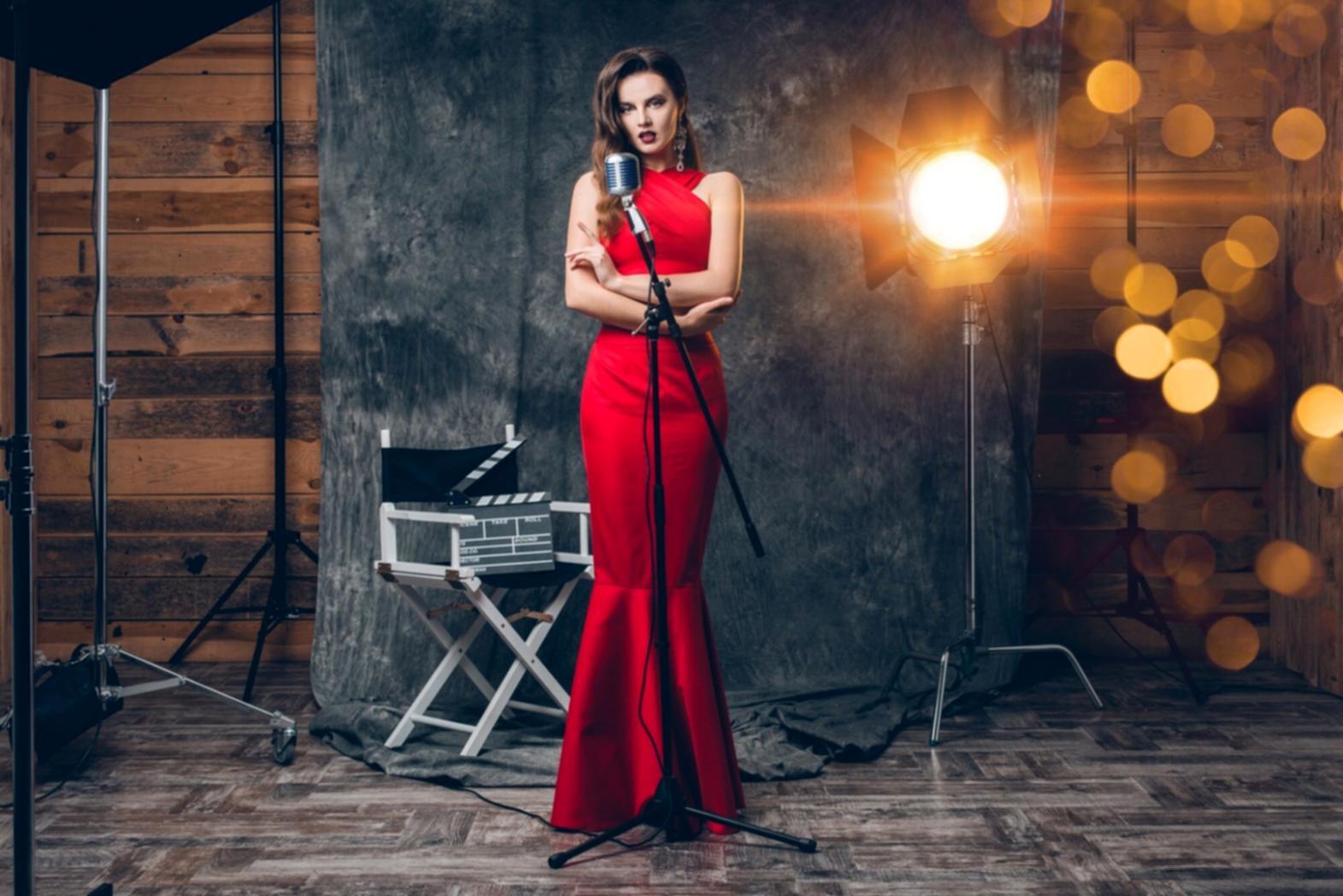
Vocal Control Techniques
Learn to manage pitch, tone, and volume with precision. Training includes breath support exercises and vocal warm-up routines used by working professionals.
Character Development
Build distinct character voices through structured exploration of vocal range and emotional expression. Practice includes script interpretation and improvisation.
Studio Recording Standards
Understand professional recording expectations including microphone positioning, noise control, and take management. Sessions replicate real studio conditions.